How optical instrumentation affects test result trust
For technical evaluators, trust in test data begins before software analysis or reporting. It starts with optical instrumentation and the way photons are collected, filtered, aligned, amplified, and interpreted.
Across smart manufacturing, autonomous systems, telecom, and photonics, optical instrumentation defines whether a result is repeatable, traceable, and decision-ready under real operating conditions.
In fiber laser cutting, machine vision inspection, LiDAR ranging, and coating verification, small optical deviations can create large analytical errors. That is why optical instrumentation remains central to test result trust.
Optical instrumentation and the basis of result trust
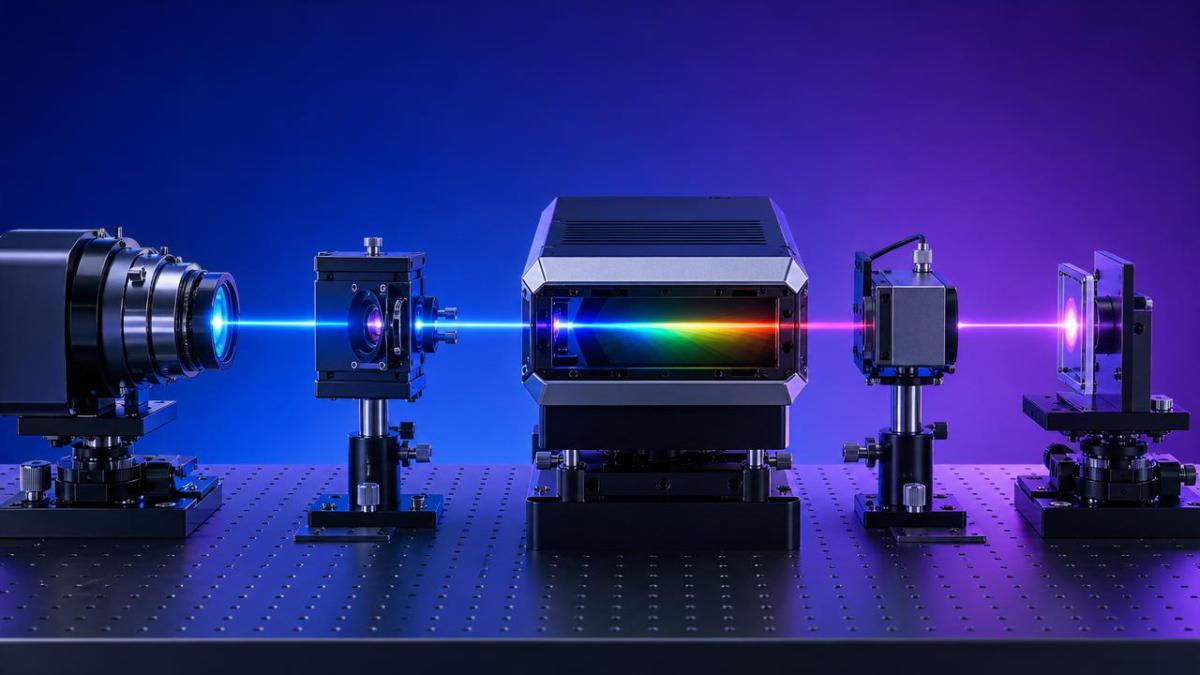
Optical instrumentation refers to devices and subsystems that generate, guide, modulate, detect, and measure light for testing, inspection, or control.
It includes cameras, lenses, beam profilers, spectrometers, photodiodes, interferometers, optical filters, prisms, alignment stages, and signal processing modules.
Trust in test results depends on whether this optical chain preserves signal integrity from source to detector.
If optical instrumentation introduces drift, distortion, stray light, thermal instability, or calibration bias, reported numbers may appear precise while lacking practical reliability.
For that reason, optical instrumentation is not just a support tool. It is often the hidden variable behind pass or fail conclusions.
Core factors that shape data credibility
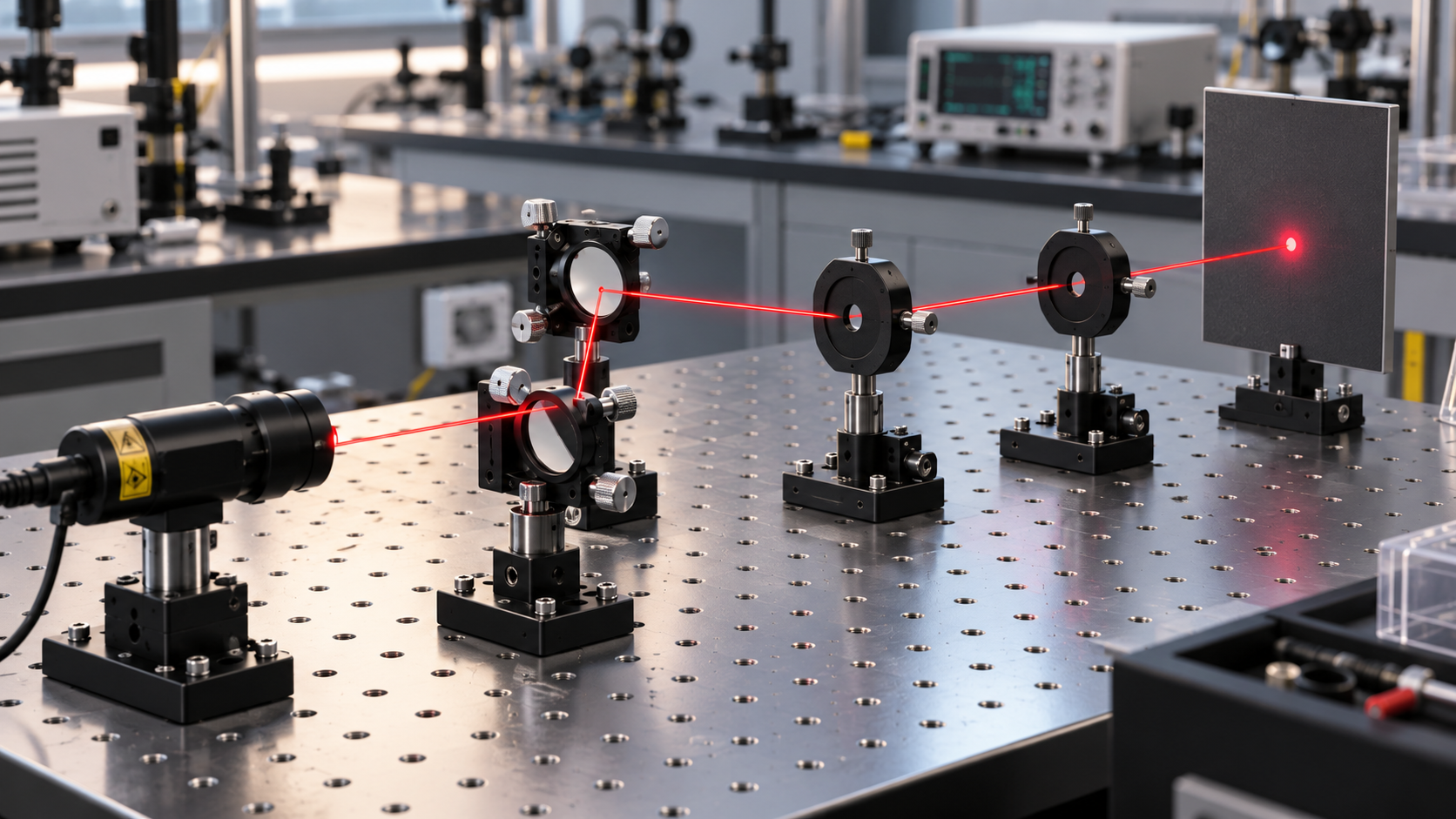
- Alignment accuracy between source, optics, sample, and detector
- Detector sensitivity, dynamic range, and saturation threshold
- Optical noise control, including ambient light and back reflections
- Thermal and mechanical stability during continuous testing
- Calibration traceability and maintenance intervals
- Software interpretation of optical signals and uncertainty
Current industry focus across optical measurement environments
In the broader industrial landscape, confidence in optical instrumentation is rising as systems become faster, smaller, and more automated.
The challenge is that modern production lines and field platforms demand both speed and precision, often under vibration, heat, dust, and variable illumination.
These trends explain why optical instrumentation is now reviewed as a strategic quality asset, not only a laboratory device.
How optical instrumentation influences repeatability and noise control
Repeatability is often the first visible sign of trustworthy testing. Strong optical instrumentation makes repeated measurements converge within expected uncertainty bands.
Weak optical instrumentation creates drifting baselines, unstable contrast, detector clipping, and inconsistent response between runs.
Alignment and optical path consistency
A slight tilt in a lens mount or a small source shift can change focal behavior, spot size, and collection efficiency.
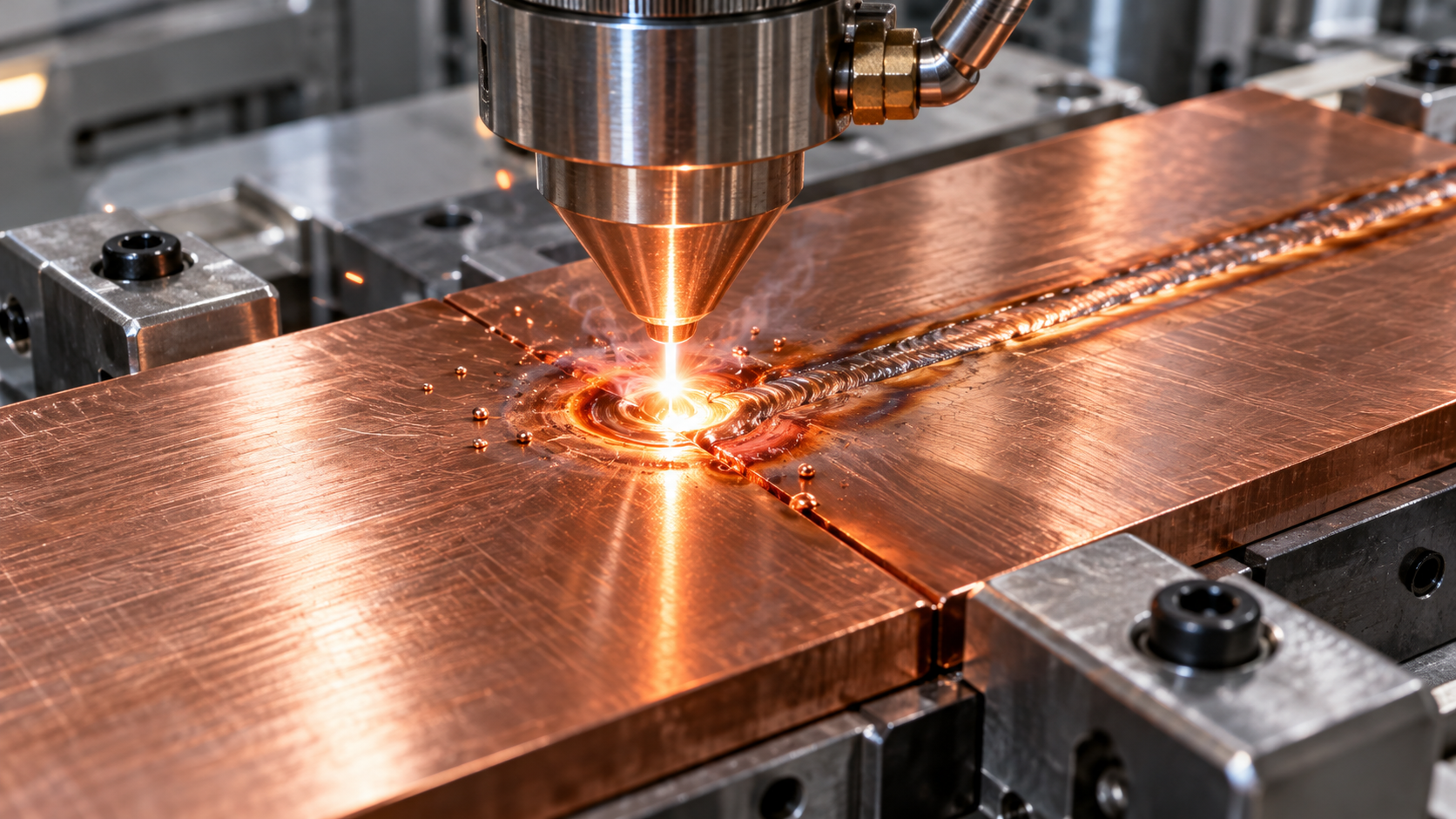
In high-power fiber laser testing, this may alter beam profile interpretation. In machine vision, it may shift edge sharpness or dimensional judgment.
Detector behavior and signal linearity
Optical instrumentation must detect both weak and strong signals without crossing into saturation or excessive quantization noise.
A detector with poor linearity may overstate reflectance, compress brightness differences, or distort return intensity in LiDAR tests.
Noise sources that reduce confidence
- Ambient light leakage into the optical path
- Thermal noise in sensors and electronics
- Back reflection from polished surfaces
- Stray scatter from housing or coating defects
- Timing jitter in pulsed optical systems
Effective optical instrumentation reduces these factors through shielding, filtering, isolation, stable mounts, and well-characterized detectors.
Business value in manufacturing, mobility, and photonics
Reliable optical instrumentation supports better technical decisions, lower validation risk, and more accurate communication between design, production, and quality teams.
In advanced industry, this matters because test results often guide process settings, safety thresholds, warranty assumptions, and market readiness.
For OLES-covered sectors, the impact is especially clear.
- High-power laser systems need optical instrumentation to confirm beam quality, output stability, and nonlinear suppression behavior.
- Machine vision platforms need optical instrumentation to preserve micron-level defect detection under fast cycle times.
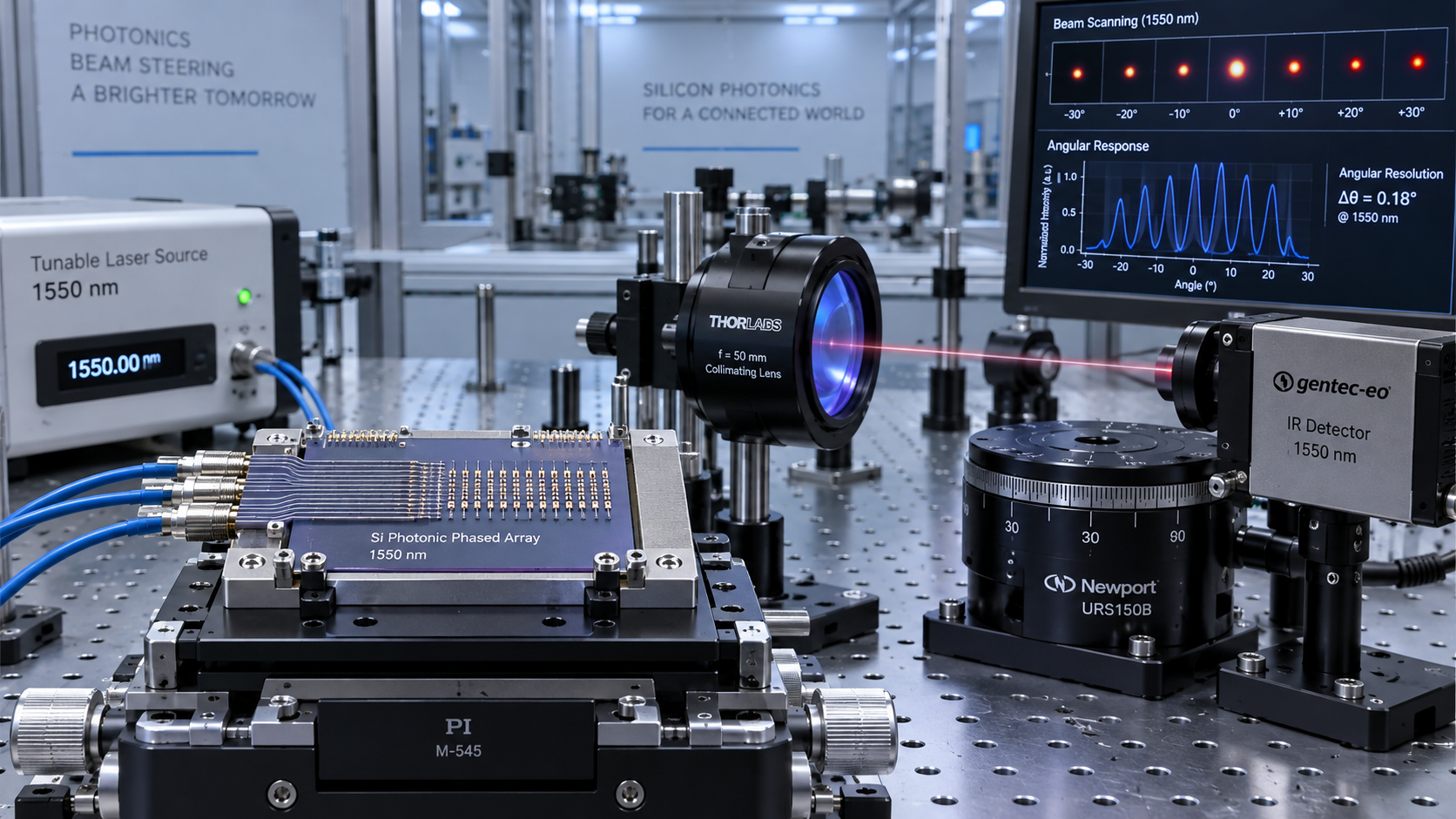
- LiDAR modules need optical instrumentation to validate ToF precision, photon sensitivity, and point cloud consistency.
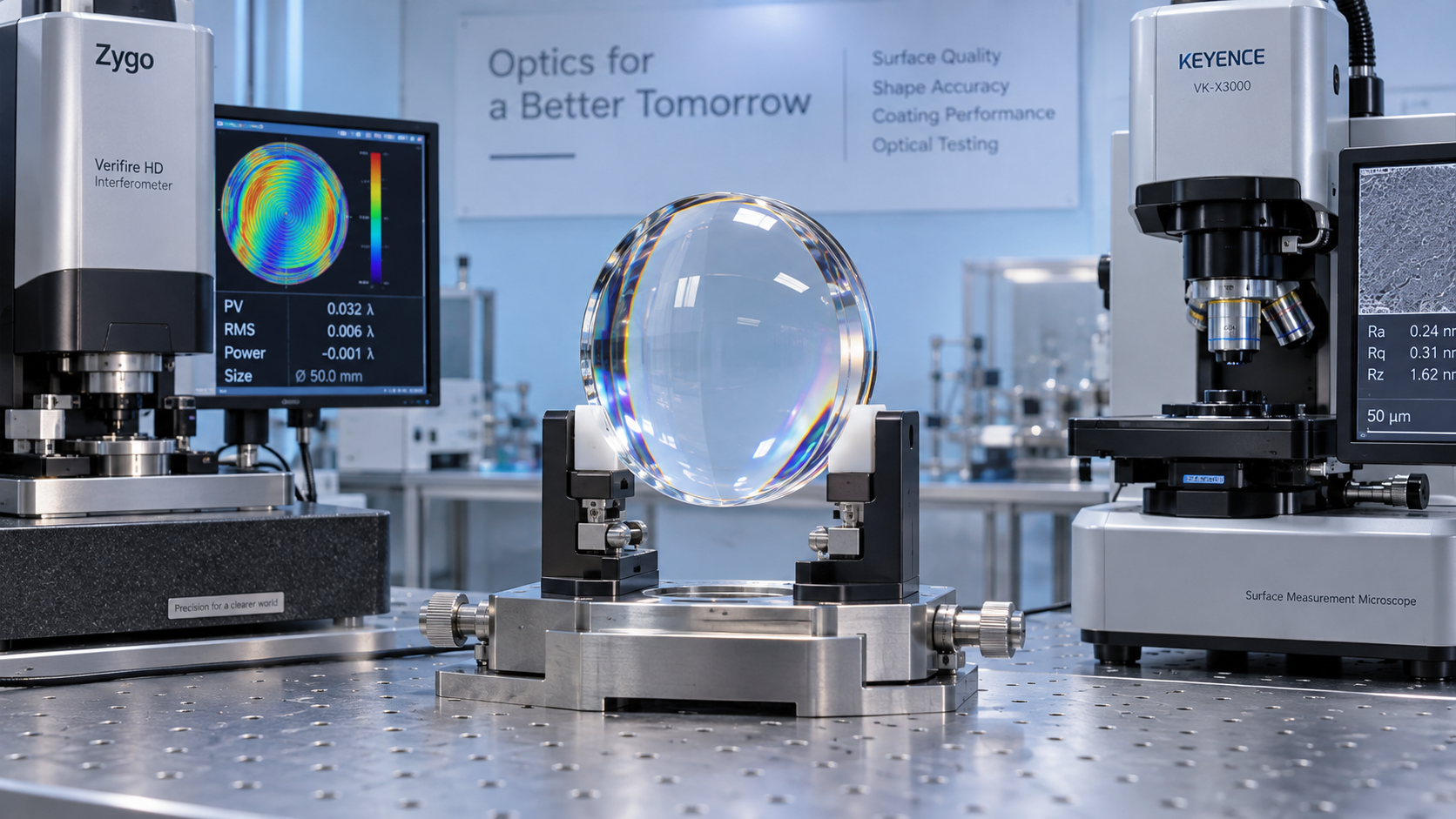
- Precision coatings need optical instrumentation to prove spectral transmission, blocking accuracy, and angle-dependent performance.
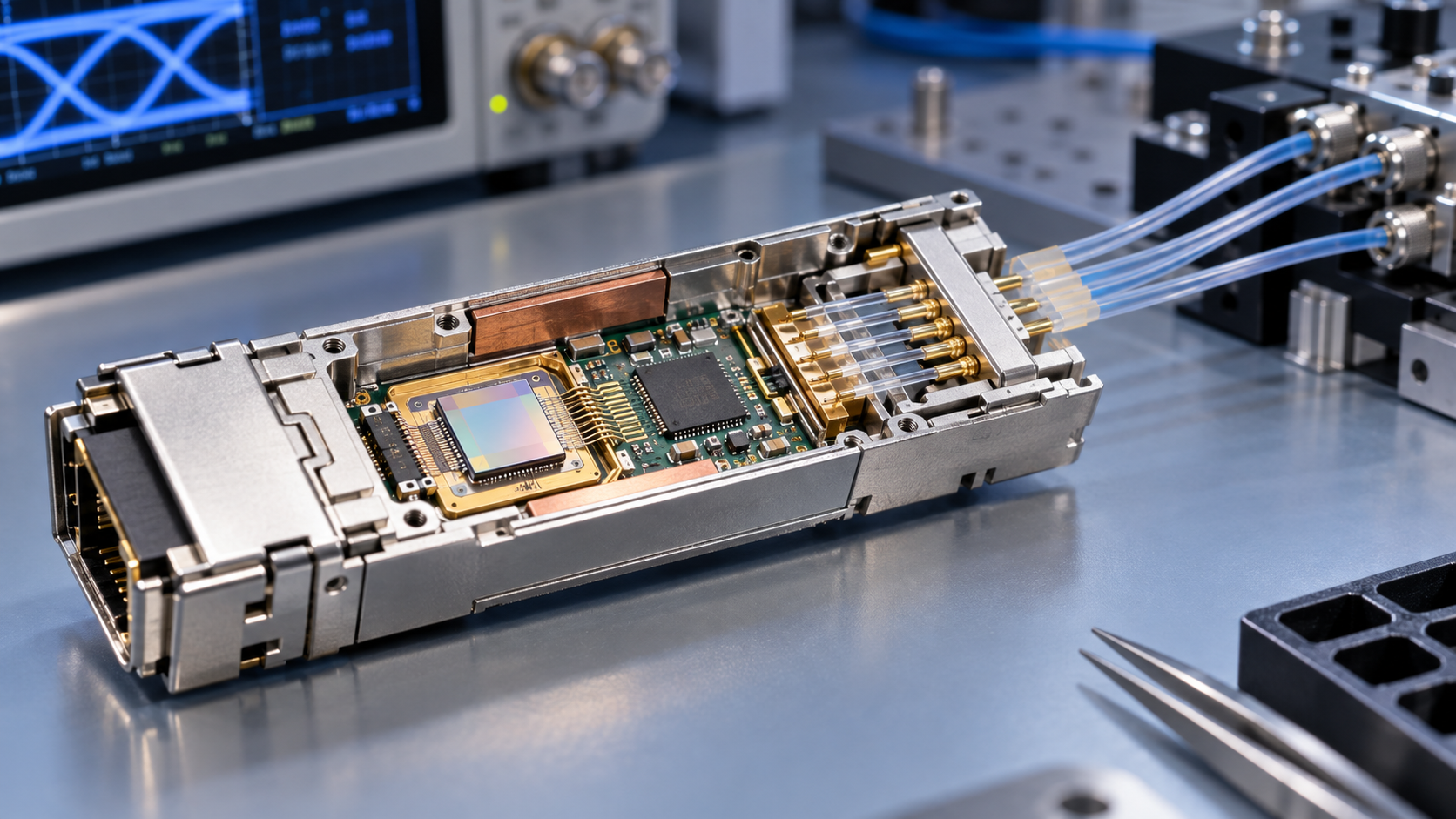
- Telecom components need optical instrumentation to verify insertion loss, amplification balance, and coherent signal quality.
When optical instrumentation is robust, test reports become more defensible in audits, cross-site comparisons, and engineering reviews.
Typical scenarios where instrumentation quality changes conclusions
Scenario classification
These examples show that optical instrumentation can change not only accuracy, but also the story behind the data.
Practical guidance for improving test result trust
Improving confidence does not always require a complete platform redesign. Often, it begins with disciplined control of the optical measurement chain.
- Define the measurement target clearly before selecting optical instrumentation.
- Match source wavelength, detector response, and filter characteristics carefully.
- Document alignment conditions and keep them reproducible across runs.
- Separate optical noise from algorithmic noise during troubleshooting.
- Use calibration routines with traceable references and scheduled verification.
- Review thermal drift after warm-up, not only at startup.
- Validate the full signal chain, including optics, electronics, and software.
Additional caution points
- Do not compare results from different optical instrumentation without normalization rules.
- Do not assume higher resolution means higher trust.
- Do not ignore coating aging, connector contamination, or vibration coupling.
A grounded next step for stronger optical validation
Organizations working with lasers, machine vision, LiDAR, coatings, or telecom photonics should review where optical instrumentation most affects decision-critical metrics.
Start with one measurement chain. Map the light path, detector behavior, calibration method, and environmental sensitivity.
Then compare reported outcomes with likely optical error sources. This approach often reveals why repeatability weakens or why different sites disagree.
In a market shaped by precision manufacturing and autonomous perception, trustworthy testing depends on disciplined optical instrumentation. Better optics lead to better evidence, and better evidence supports better technical choices.
Recommended News
 Optical TransceiversKeruisi Shares Jump 20% on Honggang Optoelectronics Acquisition PlanKeruisi shares jump 20% on plans to acquire Honggang Optoelectronics. Explore the deal's AI optical packaging potential and key questions behind the market rally.Oct 27, 2026Author:Photonics Strategist
 Ultrafast Solid-state LasersIndustrial Pulsed Lasers: Picosecond vs. Femtosecond for MicromachiningCompare industrial lasers pulsed at picosecond and femtosecond durations for micromachining. Discover how to balance precision, thermal damage, throughput, and cost per accepted part.Oct 26, 2026Author:Laser Physics Architect
 Narrowband/IR Cut FiltersHow to Verify RoHS Compliance of Dielectric Thin Films in Optical FiltersVerify dielectric thin films RoHS compliance in optical filters. Learn how to assess supplier evidence, avoid testing pitfalls, and validate exemptions with confidence.Oct 25, 2026Author:Optical Coating Scientist
 Single Photon DetectorsHesai Leads Global ADAS Primary LiDAR Shipments With 43% Share, Yole ReportsHesai leads global ADAS primary LiDAR shipments with a 43% share, Yole reports. Explore its expanded annual capacity of 4 million units and the implications for automotive supply.Oct 25, 2026Author:LiDAR Systems Fellow
 Laser CollimatorsOptical System Alignment: Correcting Beam Offset and Tilt in Laser SetupsMaster optical systems alignment with practical steps to correct beam offset and tilt. Learn two-plane verification to reduce clipping, improve coupling, and achieve repeatable laser performance.Oct 24, 2026Author:Laser Physics Architect
 Single Photon DetectorsChinese Scientists Develop 100-Channel Single-Photon Detector for Quantum InternetChina’s reported 100-channel single-photon detector could advance the quantum internet. Explore its potential for scalable networks and what buyers should verify.Oct 24, 2026Author:LiDAR Systems Fellow
 3D Laser ProfilersOptical Metrology Accuracy: Evaluating 3D Laser Profilers for Reflective PartsOptical Metrology accuracy matters on reflective parts. Learn how to evaluate 3D laser profilers, uncover hidden errors, and choose a system proven under real production conditions.Oct 23, 2026Author:Machine Vision Optical Expert
 Opto-Capital & Vision EconTech Selloff Hits Optics Before Earnings: Coherent Falls 12%, AAOI 10%, Lumentum 9%Tech selloff hits optical stocks: Coherent falls 12%, AAOI 10%, and Lumentum 9% ahead of earnings. Explore the reported declines and what buyers should watch in supplier disclosures.Oct 23, 2026Author:Mr. Orion Cross
 Telecentric LensesOptical Inspection for Dimensional Measurement: When to Use Telecentric LensesCompare optical inspection systems for dimensional measurement. Learn when telecentric lenses reduce perspective errors and how to select optics that meet your accuracy and budget goals.Oct 22, 2026Author:Machine Vision Optical Expert
 Optical TransceiversPhoton Bridge Raises €10 Million to Expand AI Data Center Laser CapacityPhoton Bridge raises €10 million to expand AI data center laser diode capacity. Explore its high-yield manufacturing plans and what ELS prototype sampling could mean for optical interconnects.Oct 22, 2026Author:Photonics Strategist
 Narrowband/IR Cut FiltersMultispectral Imaging Optics: Choosing Filter Bandwidth to Reduce CrosstalkOptimize multispectral imaging optics with the right filter bandwidth. Learn how to reduce crosstalk, preserve signal strength, and improve material classification.Oct 21, 2026Author:Optical Coating Scientist
 Single Photon DetectorsSivers Semiconductors Secures Production Order from Strategic LiDAR CustomerSivers Semiconductors secures a production order from a strategic LiDAR customer, with deliveries set for Q4 2026. Explore what this milestone means for its photonics business.Oct 21, 2026Author:LiDAR Systems Fellow
 Laser Safety & CDRH RegsU.S. Laser Safety Regulations: OSHA Requirements vs. ANSI Z136 StandardsLaser Safety Regulations explained: compare OSHA requirements with ANSI Z136 standards, uncover compliance gaps, and learn practical steps to protect workers and evaluate laser equipment.Oct 20, 2026Author:Dr. Chloe Vance
 Ultrafast Solid-state LasersELI Opens L4 ATON Multi-Petawatt Laser Research to the International CommunityExplore ELI L4 ATON multi-petawatt laser research at P3, international access opportunities, and key proposal checks to help your team plan its next high-field experiment.Oct 20, 2026Author:Laser Physics Architect
 Optical TransceiversChoosing an Optoelectronic Integration Platform for High-Speed TransceiversChoose the right optoelectronic integration platform for high-speed transceivers. Compare link performance, power, packaging, and production readiness to make a confident design decision.Oct 19, 2026Author:Photonics Strategist
 CW Yb-doped LasersBeam Shaping for Copper Laser Welding: How Core-Ring Profiles Reduce SpatterExplore laser welding technology beam shaping: discover how core-ring profiles can reduce copper weld spatter while maintaining penetration, and learn key settings for reliable joints.Oct 18, 2026Author:Laser Physics Architect
 Opto-Capital & Vision EconIndustrial Photonics Market: Where Is Factory Automation Driving Demand?Explore how factory automation drives the industrial photonics market, from battery welding to semiconductor inspection. Discover demand hotspots and key factors shaping investment returns.Oct 17, 2026Author:Mr. Orion Cross
 PM & Radiation-hard FibersISO 10110 for Optical Components: Interpreting Surface Quality and TolerancesOptical component standards ISO 10110 explained: decode surface quality, form, texture, and alignment tolerances to avoid costly inspection errors. Read the practical guide.Oct 16, 2026Author:Photonics Strategist
 Silicon Photonics OPA1550 nm Optical Phased Arrays: What Limits Field of View and Angular Resolution?Optical Phased Array 1550nm performance depends on more than steering range. Discover how emitter pitch, aperture, and calibration limit field of view and resolution—and what to verify before buying.Oct 15, 2026Author:LiDAR Systems Fellow
 Optical TransceiversLow-Latency Optical Interconnects: What Sets End-to-End Delay in AI Clusters?Optical interconnects: low latency starts with the full AI cluster communication path. Discover what drives delay, how to measure bottlenecks, and where upgrades can improve performance.Oct 14, 2026Author:Photonics Strategist