Optical engineering mistakes that delay integration plans
Optical engineering delays rarely begin with dramatic breakdowns. They usually start with small missed assumptions, drifting tolerances, and incomplete interface definitions across optics, mechanics, electronics, and software.
As integration cycles tighten, optical engineering mistakes create schedule risk in fiber lasers, machine vision, LiDAR, telecom modules, and precision coating programs. A minor design gap can trigger weeks of rework.
For teams tracking product readiness, the real challenge is not only performance. It is managing how optical engineering decisions propagate through assembly, calibration, compliance, thermal control, and field reliability.
Why optical engineering mistakes are surfacing earlier in integration plans
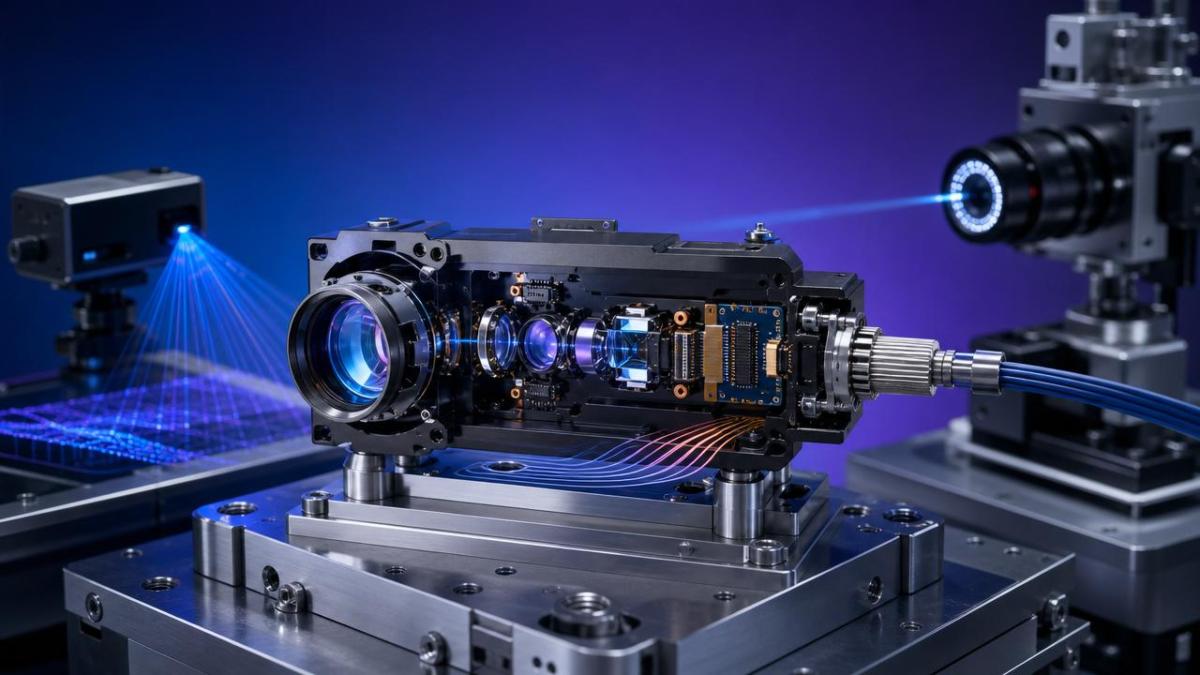
The current industry environment is less forgiving than before. Systems are smaller, faster, hotter, and more software-defined, while validation windows are shorter and customer specifications are more exact.
In this setting, optical engineering must connect component physics with manufacturable system behavior. When that link is weak, integration plans absorb the damage through delays, extra test loops, and unstable yields.
OLES observes this pattern across multi-kilowatt fiber lasers, machine vision imaging, LiDAR transceivers, specialty fibers, and nano-scale optical coatings. Complexity rises fastest at the interfaces, not inside isolated subsystems.
The strongest trend signals behind optical engineering integration risk
Several signals explain why optical engineering mistakes now appear earlier and cost more to correct. Each signal compresses decision time while expanding coupling across disciplines.
Seven optical engineering mistakes that most often delay execution
1. Freezing performance targets before defining system boundaries
Many programs lock beam quality, resolution, range, or transmission goals too early. The optical engineering target looks clear, but packaging, thermal load, contamination, and software correction remain undefined.
This creates false confidence. During integration, hidden boundary conditions force design changes that invalidate earlier models and consume prototype cycles.
2. Underestimating tolerance stack-up across disciplines
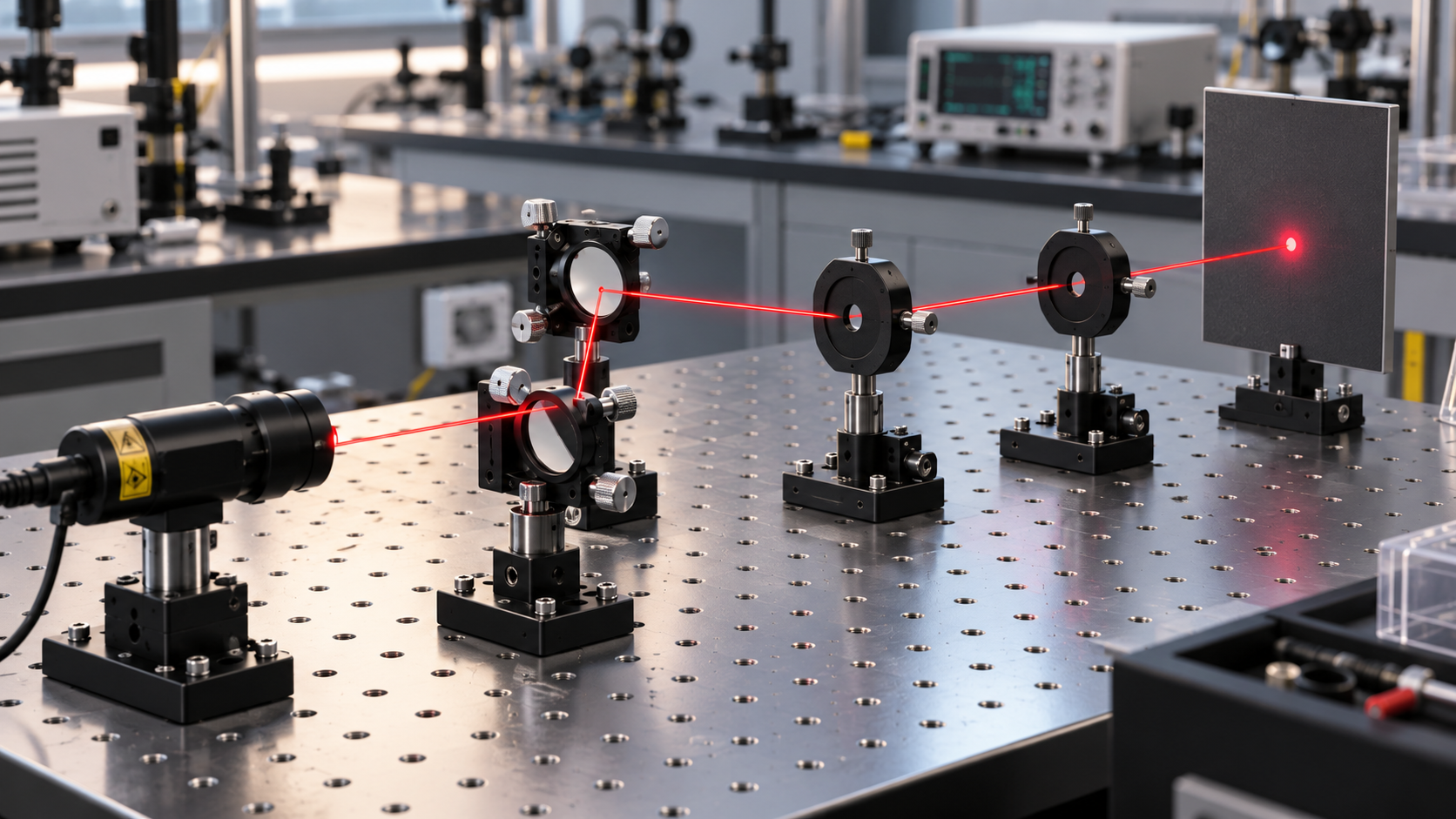
Optical engineering often passes simulation, then fails in assembly because lens centering, mount flatness, adhesive shrinkage, and PCB placement were budgeted separately, not as one stack.
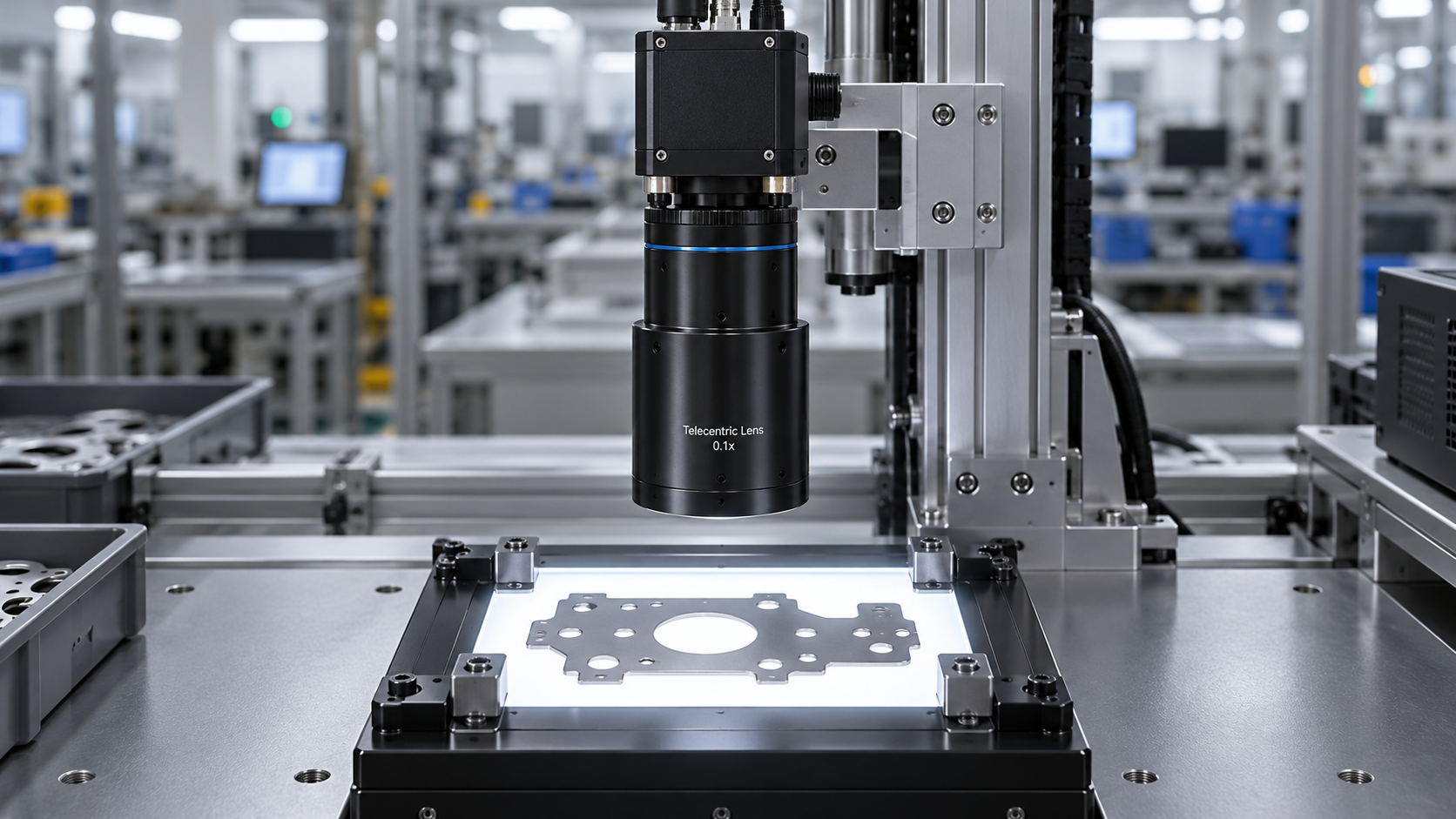
In machine vision and LiDAR, tiny offsets can reduce modulation transfer, field uniformity, or ranging confidence. The schedule impact appears only when pilot builds begin.
3. Ignoring thermal behavior at realistic duty cycles
Thermal assumptions remain a major optical engineering blind spot. Benchtop performance at room temperature rarely predicts sustained behavior under production duty, vibration, and enclosure constraints.
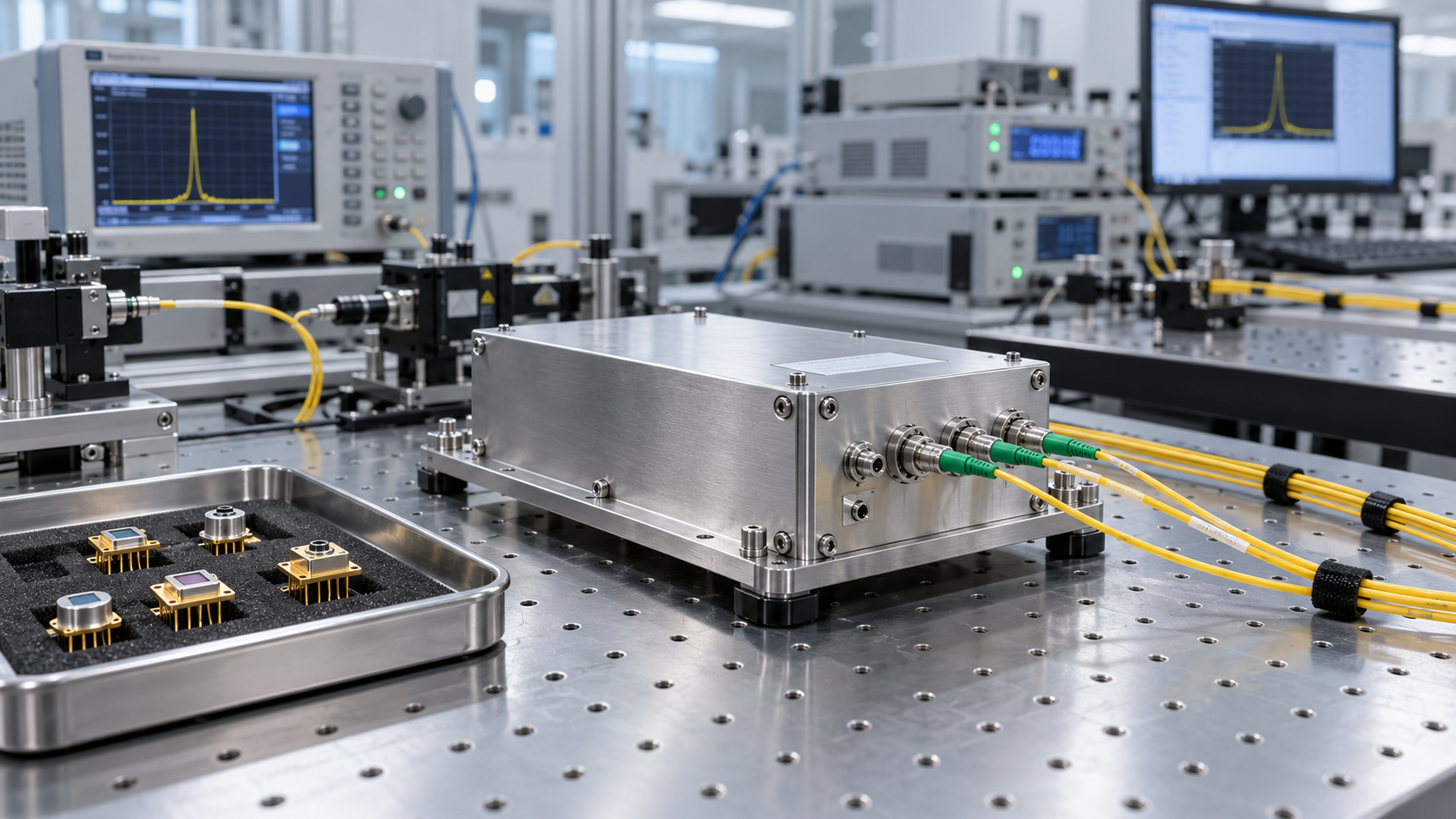
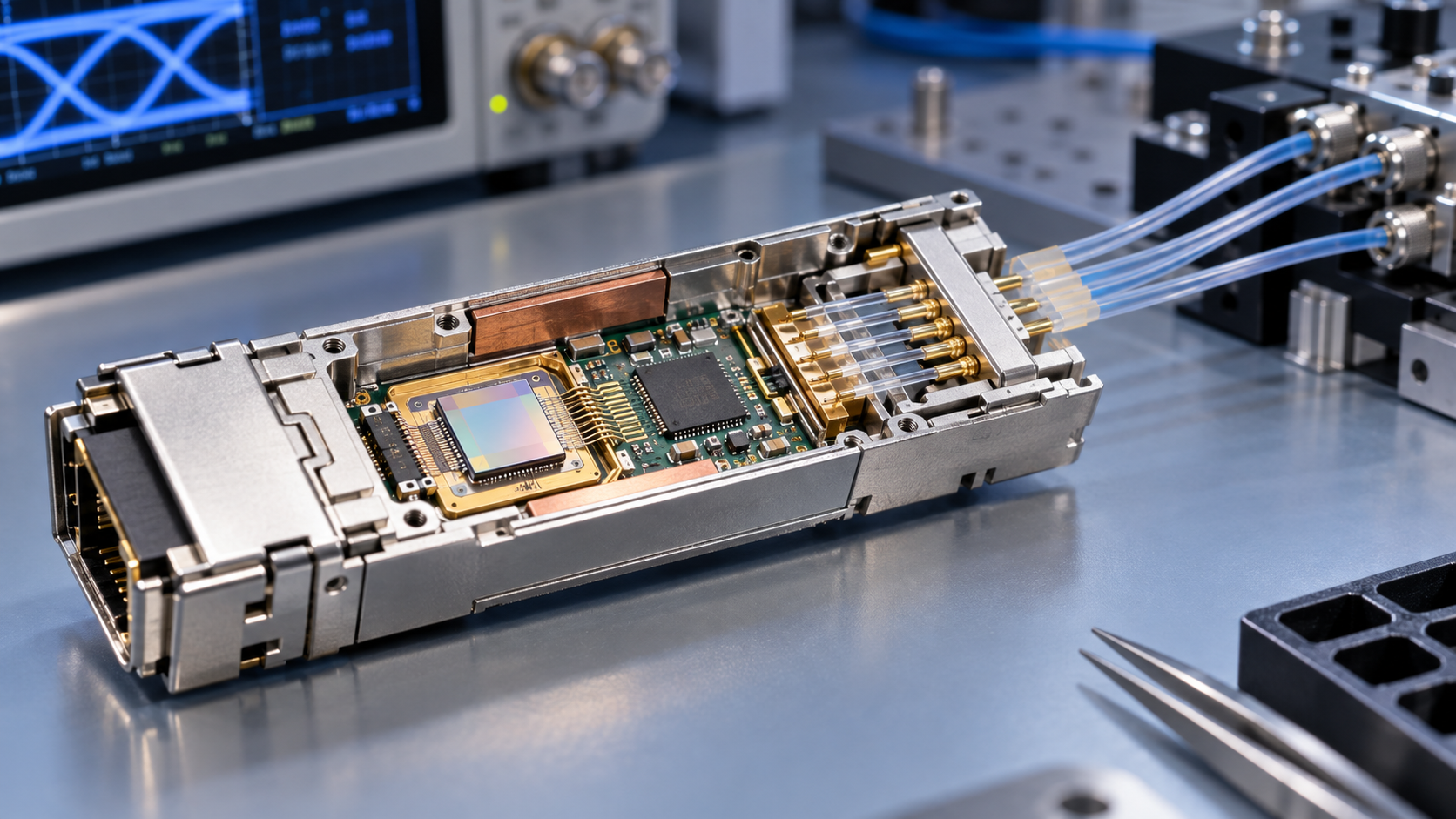
Fiber laser optics, IR filters, and high-speed transceivers are especially sensitive. Thermal lensing, wavelength drift, and detector noise can emerge after integration appears complete.
4. Treating coatings as catalog features instead of system variables
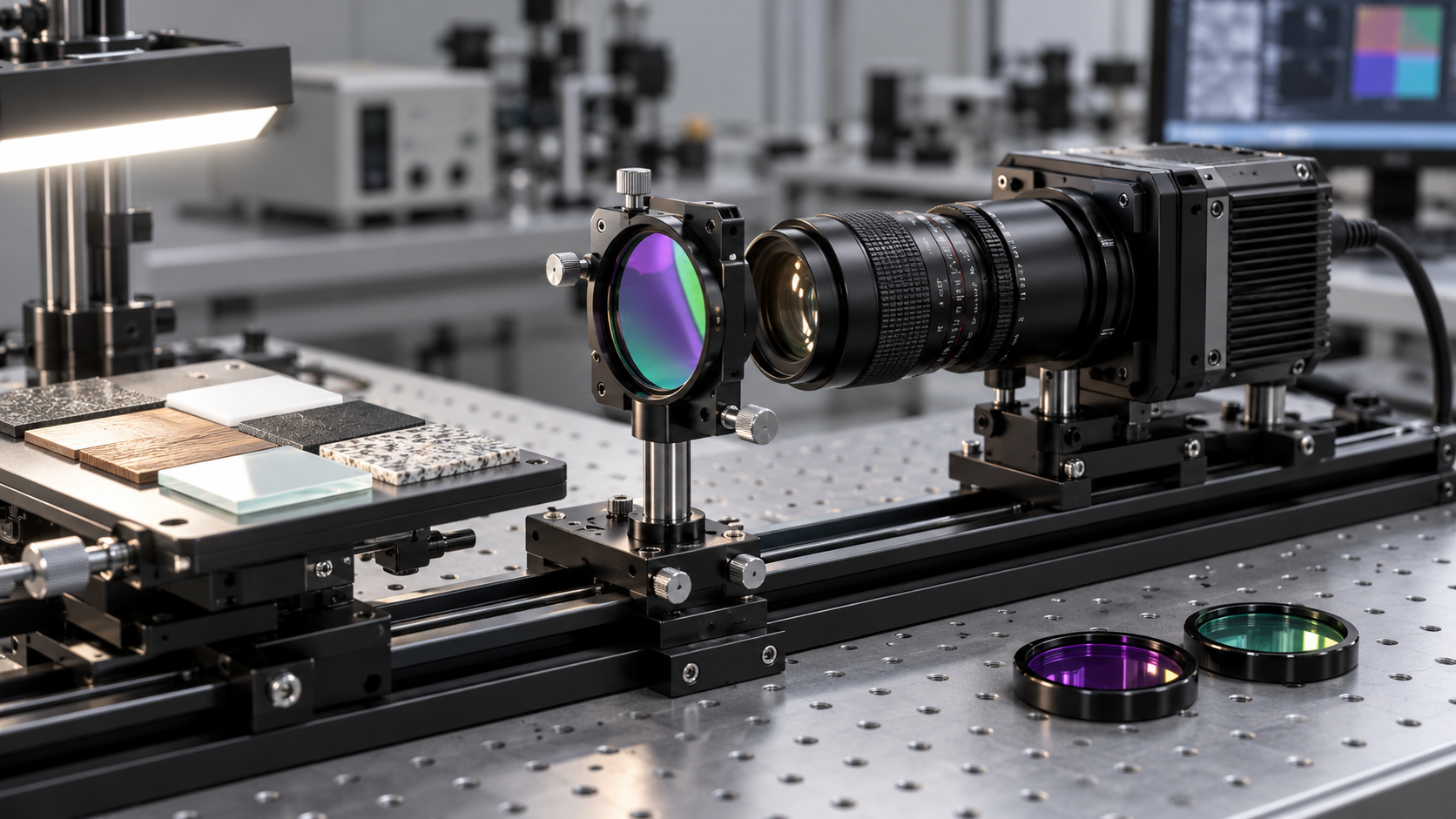
Precision coatings are often specified by nominal transmission values alone. Effective optical engineering requires angle, polarization, humidity, cleaning method, and laser damage thresholds to be considered together.
When coatings are chosen too late, teams face ghosting, spectral leakage, thermal stress, or durability failures. Requalification then affects multiple suppliers and test sequences.
5. Delaying calibration strategy until after hardware release
Modern optical engineering depends on calibration as much as on hardware. Yet some projects defer calibration logic, reference targets, and service workflows until functional samples already exist.
That delay is expensive. Once assembly fixtures and firmware are frozen, calibration changes ripple through optics alignment, production takt time, and field support procedures.
6. Overlooking contamination and cleanliness control
Optical engineering success is highly sensitive to particles, outgassing, and residue. Small contamination sources can create scattering, absorption hot spots, or false image artifacts during integration tests.
This mistake is common when moving from laboratory handling to factory assembly. Cleanliness plans, material selection, and packaging controls must mature before volume builds.
7. Treating compliance as a final checkpoint
Laser safety, EMC behavior, environmental standards, and export documentation shape architecture decisions. Optical engineering cannot wait until pre-certification to address these constraints.
Late compliance findings often force shielding changes, optical power limits, labeling updates, or enclosure redesigns. These are not paperwork issues. They are schedule issues.
How these optical engineering mistakes affect different business links
The impact of optical engineering errors spreads beyond the lab. Integration delays influence commercial timing, quality metrics, and cross-site coordination.
- Design: repeated simulations and drawing revisions slow release gates.
- Sourcing: alternate components require fresh optical engineering verification.
- Production: fixture redesign and alignment instability reduce throughput.
- Quality: defect signatures become harder to classify consistently.
- Service: field recalibration increases support cost and customer disruption.
In advanced sectors, the effect is compounded. A LiDAR ranging error may involve optics, timing electronics, detector sensitivity, and algorithm thresholds. A vision defect may stem from lens mechanics, lighting geometry, or coating drift.
Where stronger optical engineering discipline creates faster decisions
Programs recover speed when optical engineering is managed as an integration discipline, not a component specialty. The following priorities usually produce the highest return.
- Create a shared optical engineering error budget across optics, mechanics, thermal, and electronics.
- Define operating conditions using real duty cycles, not ideal bench assumptions.
- Validate coatings under actual angle, polarization, and cleaning exposure.
- Build calibration architecture during concept development, not after EVT samples.
- Link contamination control plans to material approval and assembly workflow.
- Include compliance constraints in optical engineering trade studies from day one.
Practical judgment rules for preventing integration drift
What to do next before optical engineering mistakes harden into delays
Start with a short integration audit. Review the optical engineering assumptions that connect specification, packaging, thermal management, calibration, contamination control, and compliance planning.
Then rank unresolved issues by schedule impact, not by technical elegance. The most dangerous gaps are usually the ones crossing team boundaries and supplier interfaces.
For organizations tracking fiber lasers, machine vision, LiDAR, telecom optics, and precision coatings, OLES provides intelligence that helps identify these risks earlier. Better optical engineering decisions begin with sharper visibility into technical dependencies.
If an integration plan is already slipping, do not wait for the next failed build. Revisit the optical engineering assumptions now, tighten the interfaces, and restore schedule confidence before rework expands.
Recommended News
 PM & Radiation-hard FibersEDFA for Submarine Networks: Gain, Noise Figure, and Pump Power Trade-OffsEDFA for submarine networks: explore gain, noise figure, and pump power trade-offs to maximize link capacity within power budgets. Discover what to compare before choosing an amplifier.Oct 27, 2026Author:Photonics Strategist
 Optical TransceiversKeruisi Shares Jump 20% on Honggang Optoelectronics Acquisition PlanKeruisi shares jump 20% on plans to acquire Honggang Optoelectronics. Explore the deal's AI optical packaging potential and key questions behind the market rally.Oct 27, 2026Author:Photonics Strategist
 Ultrafast Solid-state LasersIndustrial Pulsed Lasers: Picosecond vs. Femtosecond for MicromachiningCompare industrial lasers pulsed at picosecond and femtosecond durations for micromachining. Discover how to balance precision, thermal damage, throughput, and cost per accepted part.Oct 26, 2026Author:Laser Physics Architect
 Narrowband/IR Cut FiltersHow to Verify RoHS Compliance of Dielectric Thin Films in Optical FiltersVerify dielectric thin films RoHS compliance in optical filters. Learn how to assess supplier evidence, avoid testing pitfalls, and validate exemptions with confidence.Oct 25, 2026Author:Optical Coating Scientist
 Single Photon DetectorsHesai Leads Global ADAS Primary LiDAR Shipments With 43% Share, Yole ReportsHesai leads global ADAS primary LiDAR shipments with a 43% share, Yole reports. Explore its expanded annual capacity of 4 million units and the implications for automotive supply.Oct 25, 2026Author:LiDAR Systems Fellow
 Laser CollimatorsOptical System Alignment: Correcting Beam Offset and Tilt in Laser SetupsMaster optical systems alignment with practical steps to correct beam offset and tilt. Learn two-plane verification to reduce clipping, improve coupling, and achieve repeatable laser performance.Oct 24, 2026Author:Laser Physics Architect
 Single Photon DetectorsChinese Scientists Develop 100-Channel Single-Photon Detector for Quantum InternetChina’s reported 100-channel single-photon detector could advance the quantum internet. Explore its potential for scalable networks and what buyers should verify.Oct 24, 2026Author:LiDAR Systems Fellow
 3D Laser ProfilersOptical Metrology Accuracy: Evaluating 3D Laser Profilers for Reflective PartsOptical Metrology accuracy matters on reflective parts. Learn how to evaluate 3D laser profilers, uncover hidden errors, and choose a system proven under real production conditions.Oct 23, 2026Author:Machine Vision Optical Expert
 Opto-Capital & Vision EconTech Selloff Hits Optics Before Earnings: Coherent Falls 12%, AAOI 10%, Lumentum 9%Tech selloff hits optical stocks: Coherent falls 12%, AAOI 10%, and Lumentum 9% ahead of earnings. Explore the reported declines and what buyers should watch in supplier disclosures.Oct 23, 2026Author:Mr. Orion Cross
 Telecentric LensesOptical Inspection for Dimensional Measurement: When to Use Telecentric LensesCompare optical inspection systems for dimensional measurement. Learn when telecentric lenses reduce perspective errors and how to select optics that meet your accuracy and budget goals.Oct 22, 2026Author:Machine Vision Optical Expert
 Optical TransceiversPhoton Bridge Raises €10 Million to Expand AI Data Center Laser CapacityPhoton Bridge raises €10 million to expand AI data center laser diode capacity. Explore its high-yield manufacturing plans and what ELS prototype sampling could mean for optical interconnects.Oct 22, 2026Author:Photonics Strategist
 Narrowband/IR Cut FiltersMultispectral Imaging Optics: Choosing Filter Bandwidth to Reduce CrosstalkOptimize multispectral imaging optics with the right filter bandwidth. Learn how to reduce crosstalk, preserve signal strength, and improve material classification.Oct 21, 2026Author:Optical Coating Scientist
 Single Photon DetectorsSivers Semiconductors Secures Production Order from Strategic LiDAR CustomerSivers Semiconductors secures a production order from a strategic LiDAR customer, with deliveries set for Q4 2026. Explore what this milestone means for its photonics business.Oct 21, 2026Author:LiDAR Systems Fellow
 Laser Safety & CDRH RegsU.S. Laser Safety Regulations: OSHA Requirements vs. ANSI Z136 StandardsLaser Safety Regulations explained: compare OSHA requirements with ANSI Z136 standards, uncover compliance gaps, and learn practical steps to protect workers and evaluate laser equipment.Oct 20, 2026Author:Dr. Chloe Vance
 Ultrafast Solid-state LasersELI Opens L4 ATON Multi-Petawatt Laser Research to the International CommunityExplore ELI L4 ATON multi-petawatt laser research at P3, international access opportunities, and key proposal checks to help your team plan its next high-field experiment.Oct 20, 2026Author:Laser Physics Architect
 Optical TransceiversChoosing an Optoelectronic Integration Platform for High-Speed TransceiversChoose the right optoelectronic integration platform for high-speed transceivers. Compare link performance, power, packaging, and production readiness to make a confident design decision.Oct 19, 2026Author:Photonics Strategist
 CW Yb-doped LasersBeam Shaping for Copper Laser Welding: How Core-Ring Profiles Reduce SpatterExplore laser welding technology beam shaping: discover how core-ring profiles can reduce copper weld spatter while maintaining penetration, and learn key settings for reliable joints.Oct 18, 2026Author:Laser Physics Architect
 Opto-Capital & Vision EconIndustrial Photonics Market: Where Is Factory Automation Driving Demand?Explore how factory automation drives the industrial photonics market, from battery welding to semiconductor inspection. Discover demand hotspots and key factors shaping investment returns.Oct 17, 2026Author:Mr. Orion Cross
 PM & Radiation-hard FibersISO 10110 for Optical Components: Interpreting Surface Quality and TolerancesOptical component standards ISO 10110 explained: decode surface quality, form, texture, and alignment tolerances to avoid costly inspection errors. Read the practical guide.Oct 16, 2026Author:Photonics Strategist
 Silicon Photonics OPA1550 nm Optical Phased Arrays: What Limits Field of View and Angular Resolution?Optical Phased Array 1550nm performance depends on more than steering range. Discover how emitter pitch, aperture, and calibration limit field of view and resolution—and what to verify before buying.Oct 15, 2026Author:LiDAR Systems Fellow